


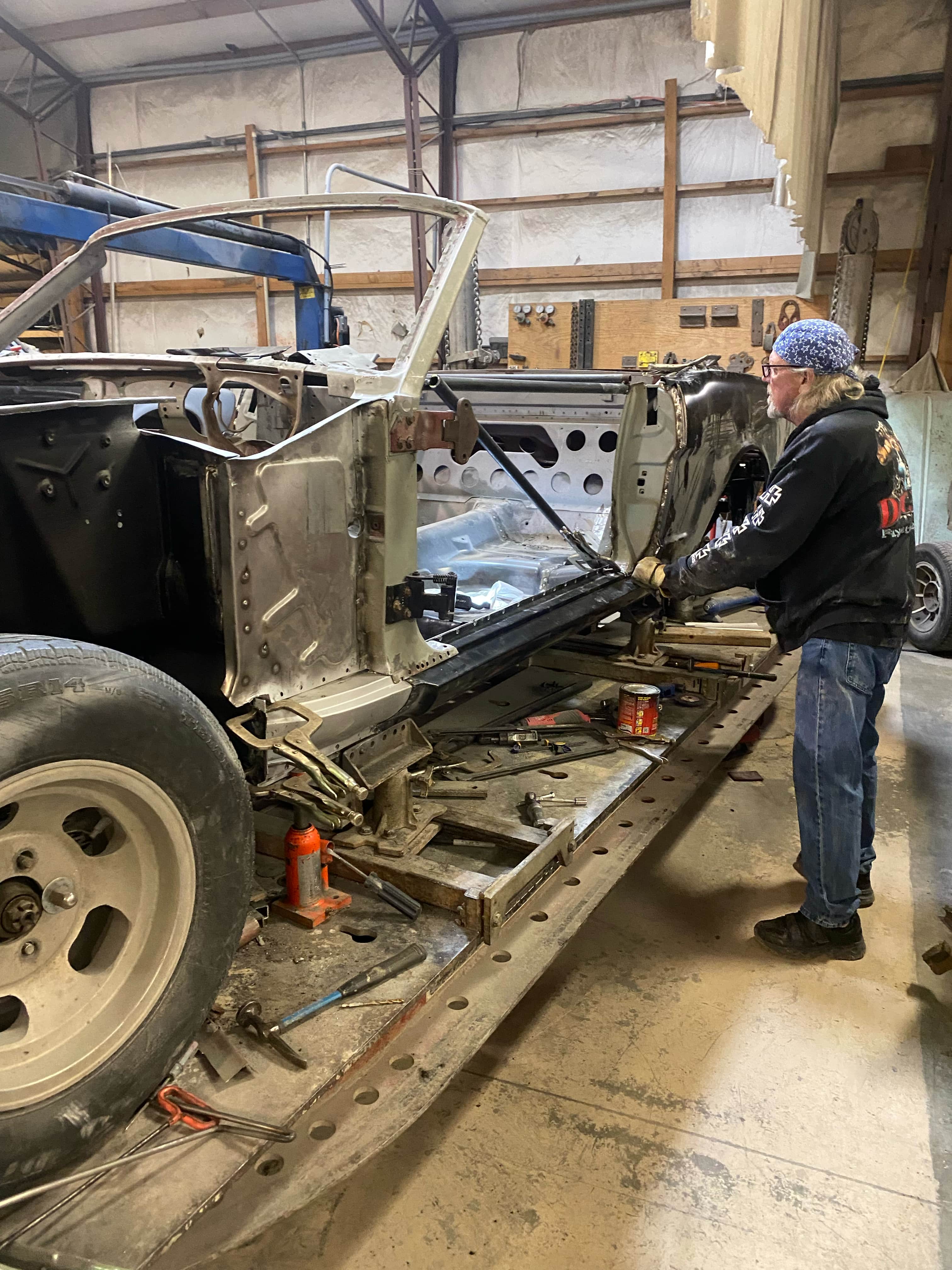
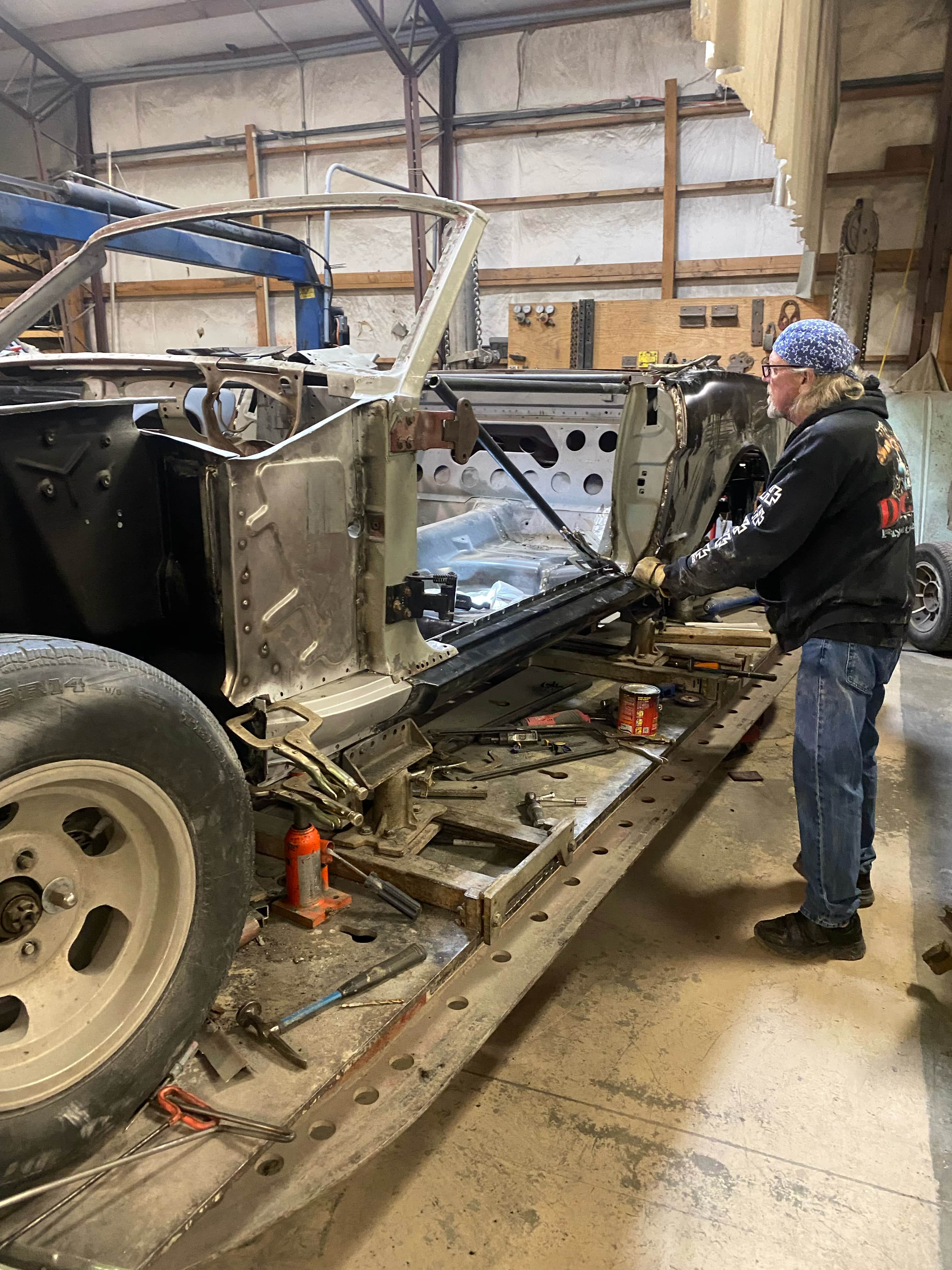
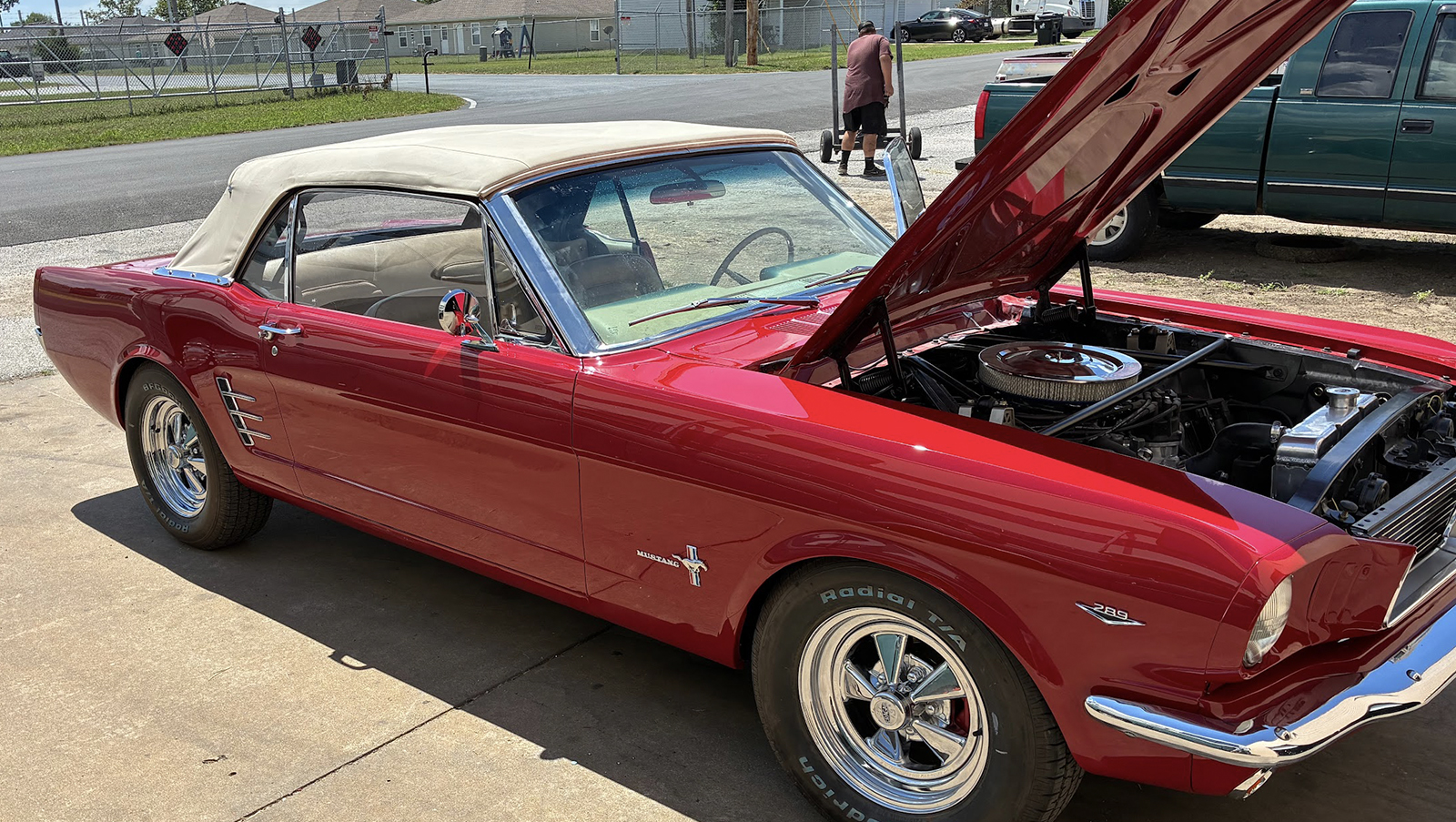
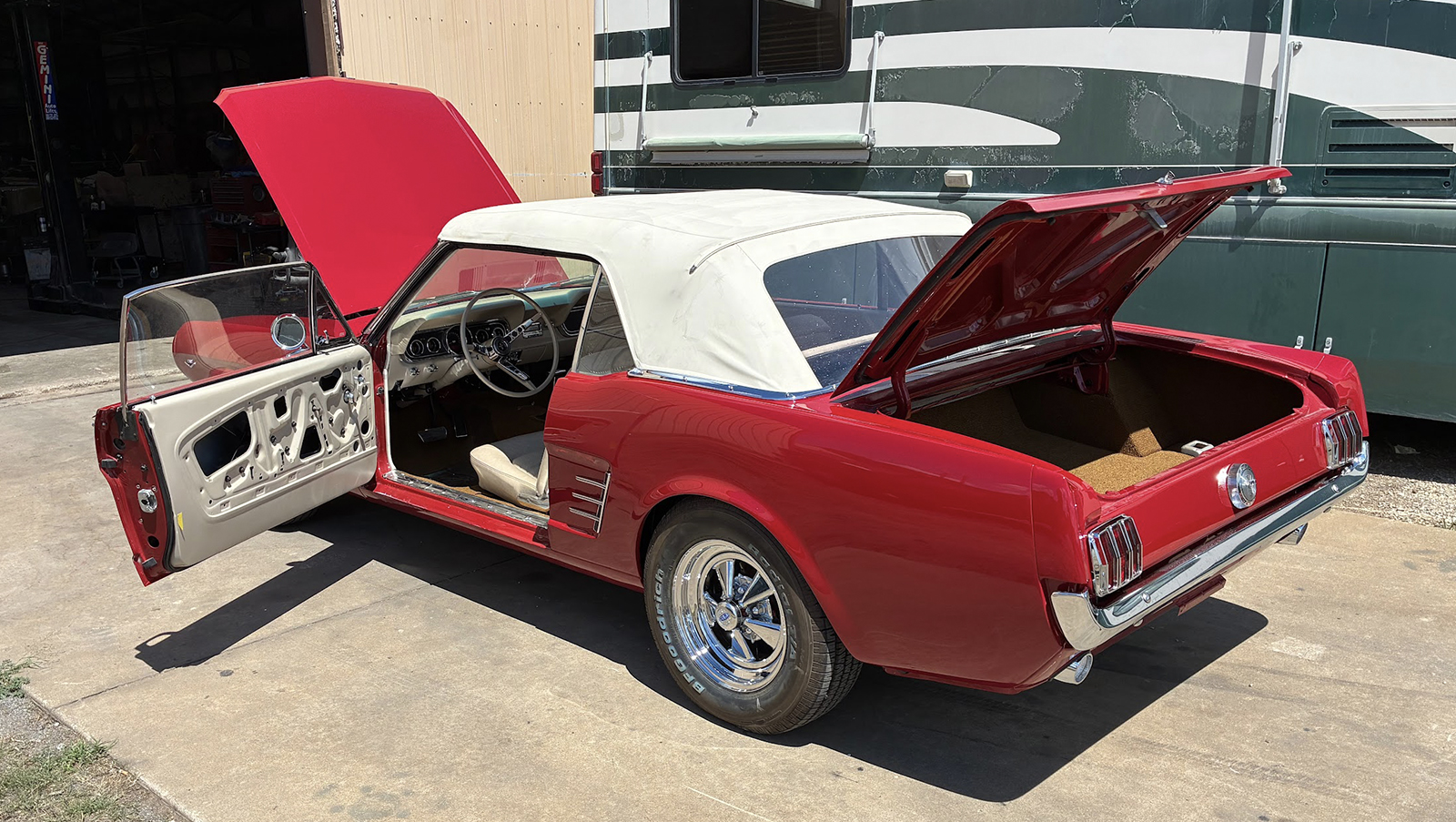
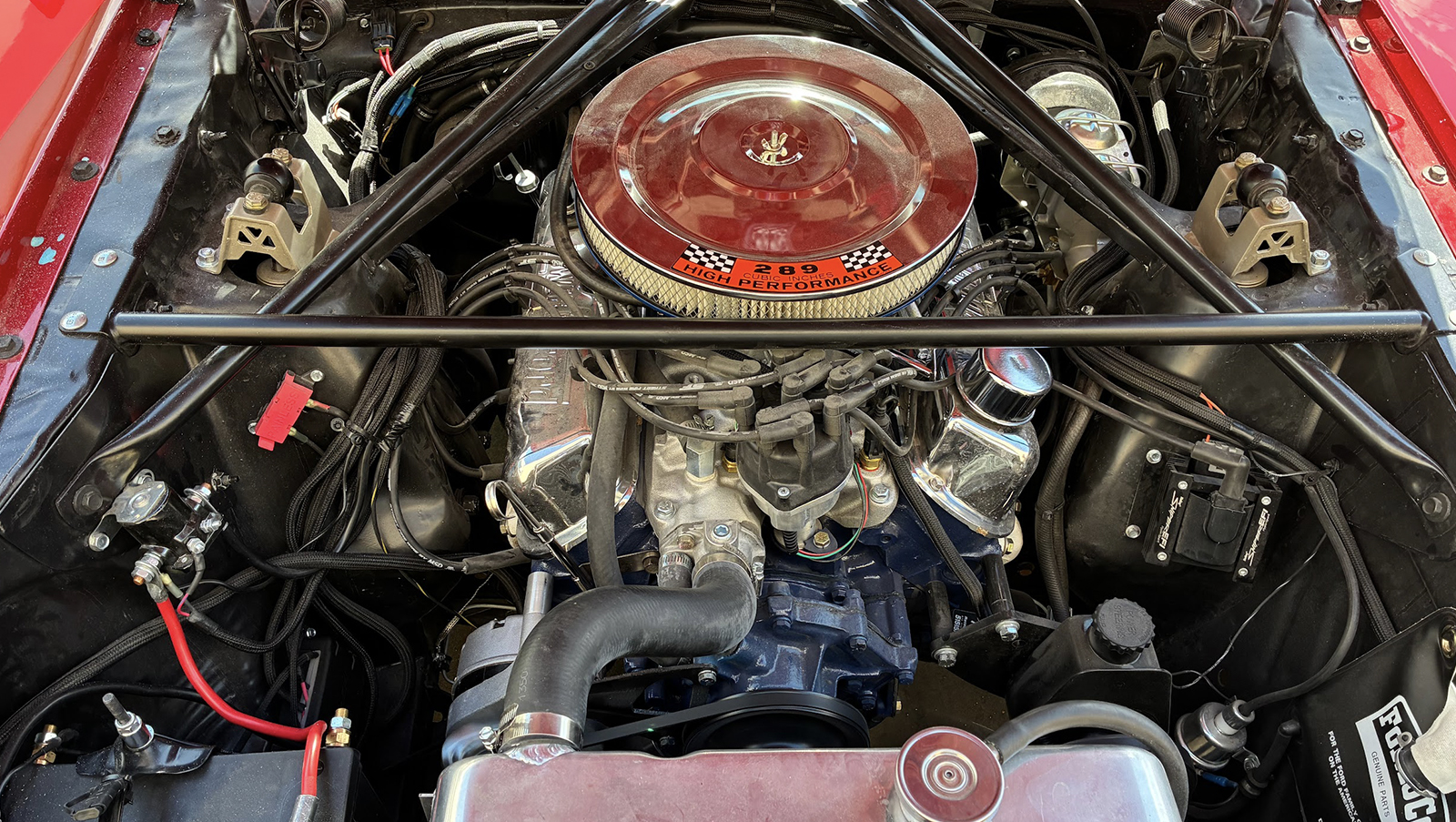
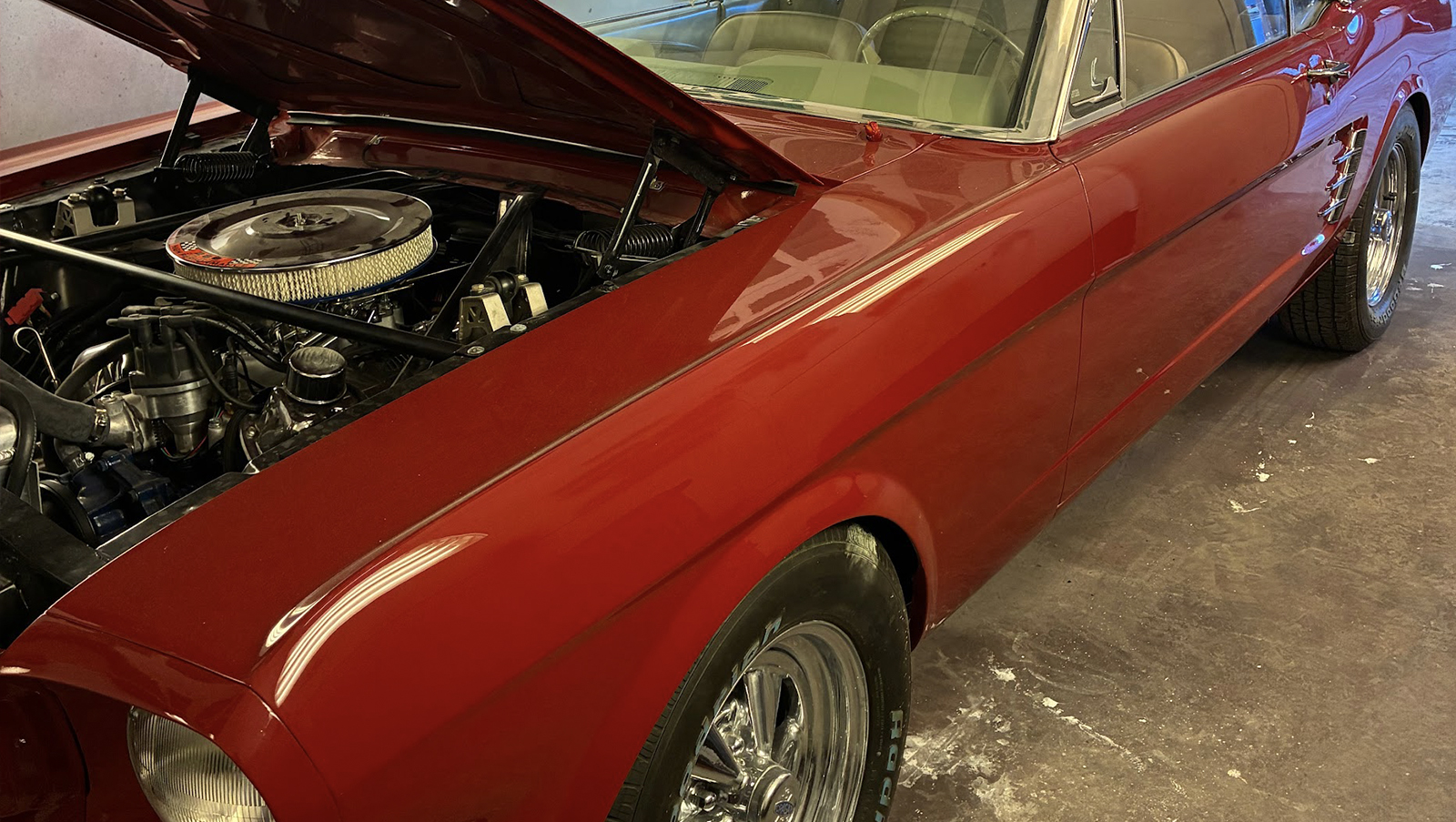
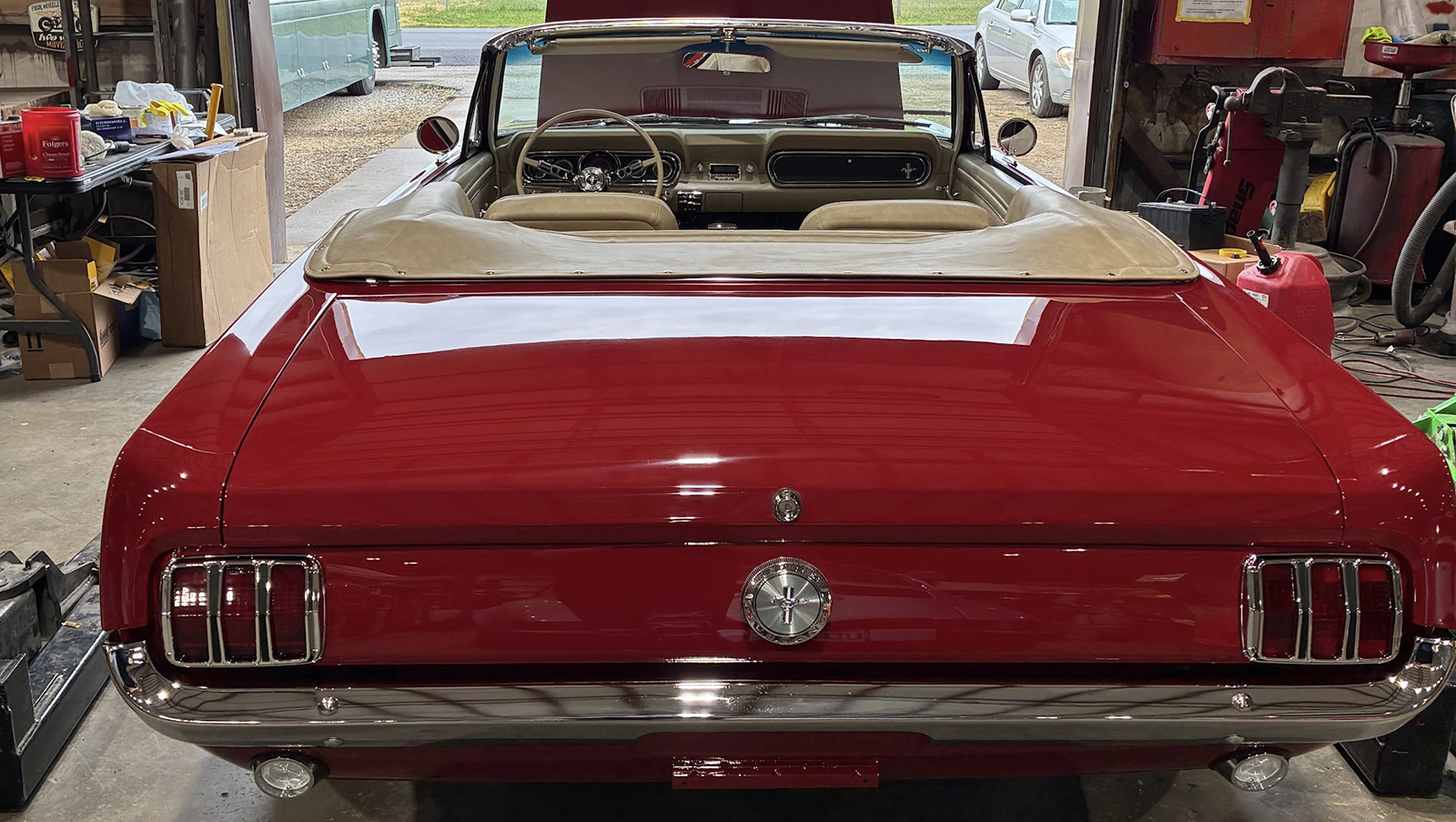
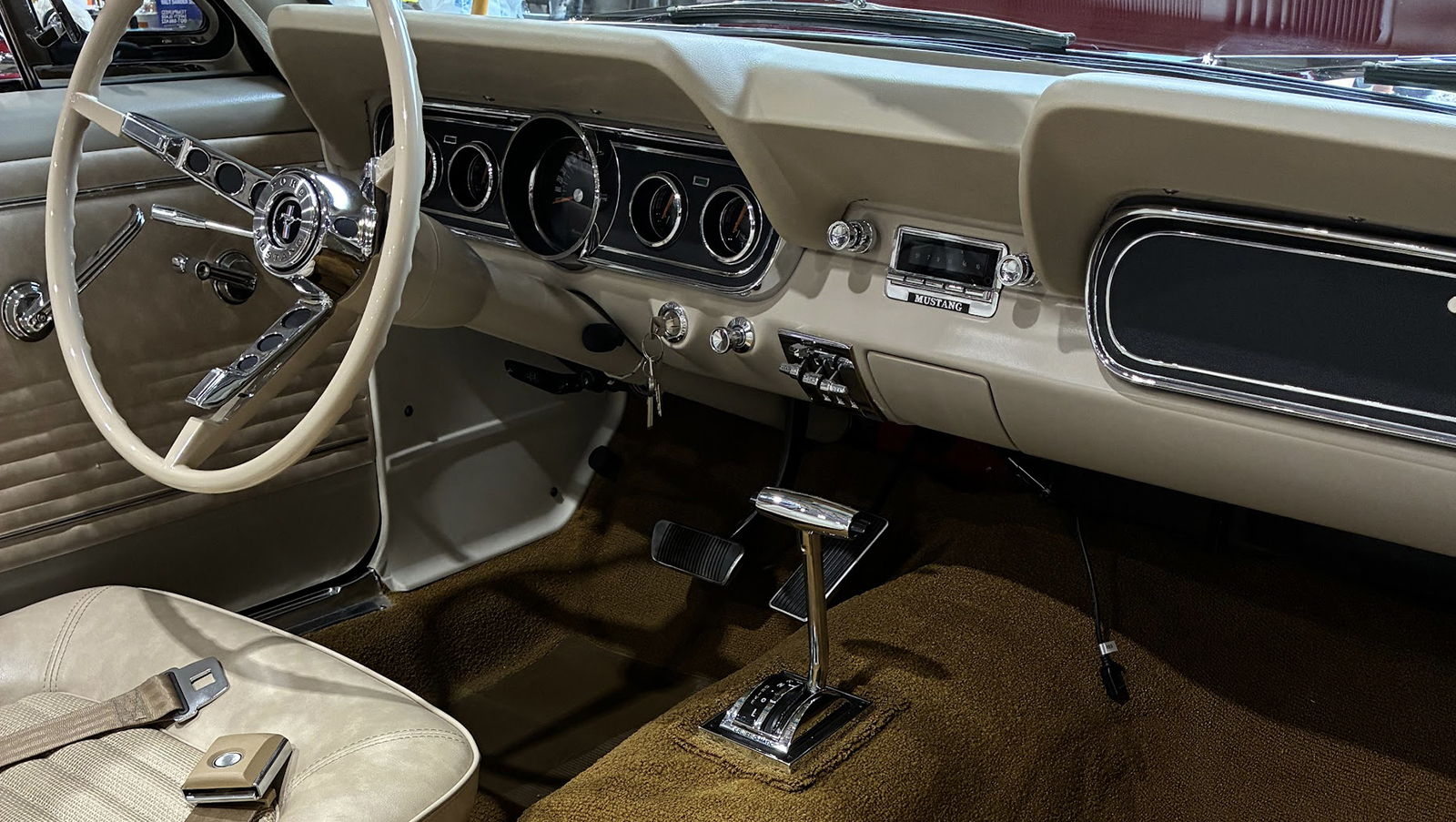
Reviving a 1966 Ford Mustang Convertible goes beyond fixing a car; it’s about safeguarding a piece of automotive history. Classic cars like this one embody American ingenuity and mid-century design, and for owners across Joplin, Missouri, the journey from rust to revival is deeply personal. At Liles Performance & Auto Body, every Ford Mustang restoration combines historical significance with mechanical precision.
Why the 1966 Mustang Convertible Still Turns Heads
The 1966 Mustang became the best‑selling convertible that year, with more than 72,000 sold, cementing its place as an American icon for open‑air driving enjoyment. For today’s owners in Joplin, that popularity means strong emotional attachment—and a strong incentive to restore rather than replace.
Challenges of Vintage Convertible Tops
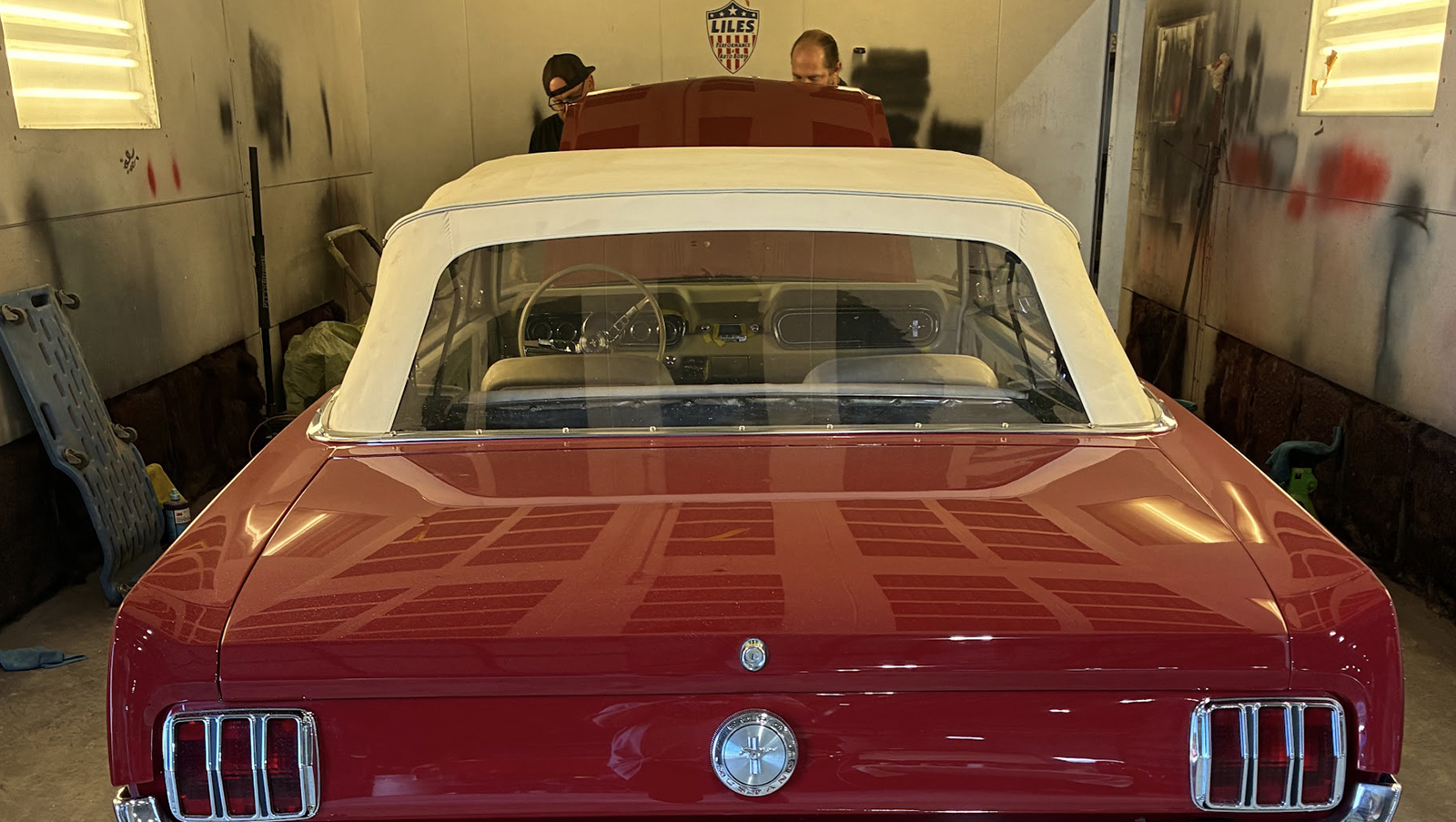
Convertible tops from the 1960s rely on carefully aligned frames, bows, and tension points rather than the standardized hardware used in modern vehicles. As these materials age, shrink, and fatigue, even a slight misalignment can change how the fabric stretches over the frame and seals against the glass.
The 1966 Ford Mustang Convertible presents unique engineering challenges, particularly in the design of its retractable roof. Unlike modern convertibles with standardized hydraulics and weather-sealed materials, the ‘60s era relied on hand-fitted bows, stitching, and mechanical tension systems. According to the Smithsonian Institution archives (si.edu), the Mustang's design reflected both the limits and creativity of 1960s automotive manufacturing—every line and curve was individualized.
Aging convertible tops often suffer from material fatigue, UV deterioration, or improper storage damage. Replacing them requires not only period-correct materials but an understanding of how the roof interacts with the structural frame. An improper fit can lead to leaks, wind noise, or excessive strain on the mechanisms that fold and retract the top.
Precision of Glass Fitment
Proper glass replacement on classics must meet or exceed original equipment dimensions so that the glass seats correctly in its opening and works with surrounding trim and seals. Modern safety standards also emphasize correct adhesive systems and curing procedures, which help prevent leaks, wind noise, and structural issues after installation.
Glass alignment might seem straightforward, yet in vehicles like the 1966 Convertible, it’s a balancing act between body integrity and aesthetic accuracy. The National Institute for Automotive Service Excellence notes that classic car restorations often fail when replacement glass isn't correctly matched to factory curvature. For a Ford Mustang, even a few millimeters off alignment can cause water intrusion or rattle at highway speeds.
The windshield and side glass must align smoothly with the convertible top and chrome trim—details that demand hours of patience, professional-grade calibration tools, and a deep respect for craftsmanship. Glass fitment is not just about visibility; it is about maintaining the vehicle's original spirit.
What a Quality Restoration Involves
At Liles Performance & Auto Body, achieving authenticity on a Ford Mustang restoration means combining traditional techniques with modern precision.
Here are a few key restoration considerations:
- Authentic Materials: Using correct-grade vinyl, canvas, and fasteners for convertible replacements.
- Body-Frame Alignment: Ensuring the roof and glass fit harmoniously with the body’s original geometry.
- Corrosion Prevention: Treating metal surfaces before refitting components to extend longevity.
- Seal and Trim Accuracy: Reproducing original trim boundaries for both aesthetics and weather resistance.
- Mechanical Synchronization: Calibrating the power top system to factory motion speed and lift tension.
Each of these steps underscores the meticulous dedication required to keep the Ford Mustang both functional and faithful to its roots.
Key Restoration Touchpoints that Owners Should Ask About
These restoration details can make the difference between a car that merely looks good and one that truly drives and performs as it did in 1966. When speaking with Liles Performance & Auto Body, classic Mustang owners should keep these key touchpoints in mind to ensure every top-and-glass decision supports long-term enjoyment of their Mustang.
- Convertible top materials chosen to match the original appearance while improving durability where possible.
- Careful inspection of the frame and attachment points before installing any new top or glass.
- Use glass that matches the original curvature and size so the windows meet the top, and the weatherstripping is clean.
- Pay attention to seals and trim so water channels away from the cabin and trunk areas during heavy Missouri rain.
Why It Matters in Joplin
Missouri's varied climate—humid summers and cold winters—requires precision in automotive restoration. Temperature changes can expand or contract seals, so glass and top fitment must be optimized for seasonal resilience. The Missouri Department of Natural Resources (dnr.mo.gov) highlights the importance of protecting historic materials from environmental damage, underscoring the value of local expertise from specialists like Liles.
Restoring a 1966 Ford Mustang Convertible is about reclaiming a piece of American history. Whether it's a Sunday drive through the Ozarks or a car show in downtown Joplin, a well-executed restoration transforms a garage find into a statement of timeless pride. Every Ford Mustang that leaves the shop stands as proof that craftsmanship and care can bring classics back to life—beautifully, and authentically.
Talk with the Vintage Car Restoration Experts at Liles Performance & Auto Body
When a 1966 Ford Mustang Convertible finally looks and feels the way it should, it changes every drive—and that transformation starts with choosing the right restoration partner. For classic car owners in Joplin and Webb City, Liles Performance & Auto Body offers the craftsmanship, communication, and respect for originality this era of engineering deserves. If your own project is waiting in the garage, now is the time to schedule an estimate, ask questions about your convertible top or glass fitment, and see how a dedicated local team can bring your vision to life on the road again.