


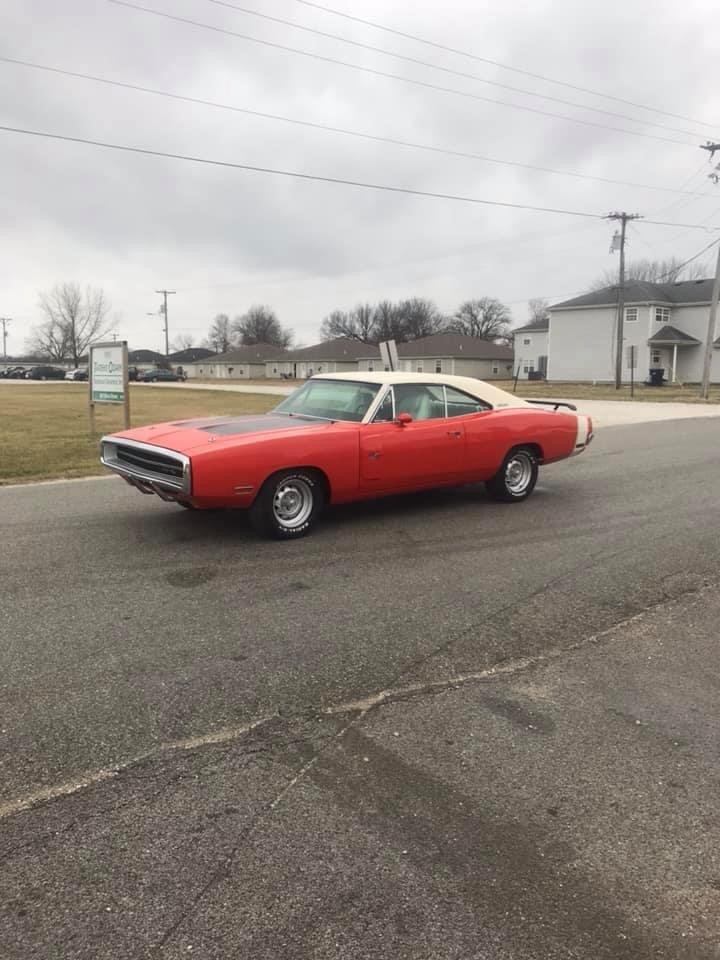
Classic car restoration isn't just about horsepower—it's about preserving history, one finish at a time. The 1970 Dodge Charger embodies that ideal, representing an era when performance and style met raw, textured beauty. At Liles Performance & Auto Body, our team knows that every curve and every coat of paint matters, especially when reviving the car's distinctive Organisol paint finish that once defined its fierce appearance.
Importance of Authentic Paintwork
Restoring vintage vehicles requires more than mechanical expertise; it demands respect for original materials. Authentic paint texture plays a vital role in how a vehicle's story is told. Many muscle car enthusiasts appreciate the matte, gritty feel of Organisol paint because it mirrors the craftsmanship of 1970s automotive design. According to the National Park Service's preservation guidelines (nps.gov), authenticity in surface texture contributes directly to a project's historical integrity.
What Is Organisol Paint?
Organisol paint was a specialized textured paint used by Dodge and Plymouth during the golden age of muscle cars. Instead of a smooth, glossy surface, it offered a unique matte finish with a fine, sandpaper-like texture. Originally, this design served both form and function—it reduced glare under sunlight while visually enhancing the Charger's aggressive lines.
Today, replicating that original paint texture is among the most complex steps in a true restoration. Technicians must mix the right formula and apply it under carefully controlled conditions to achieve the authentic look.
Restoration Process: From Bare Metal to Textured Finish
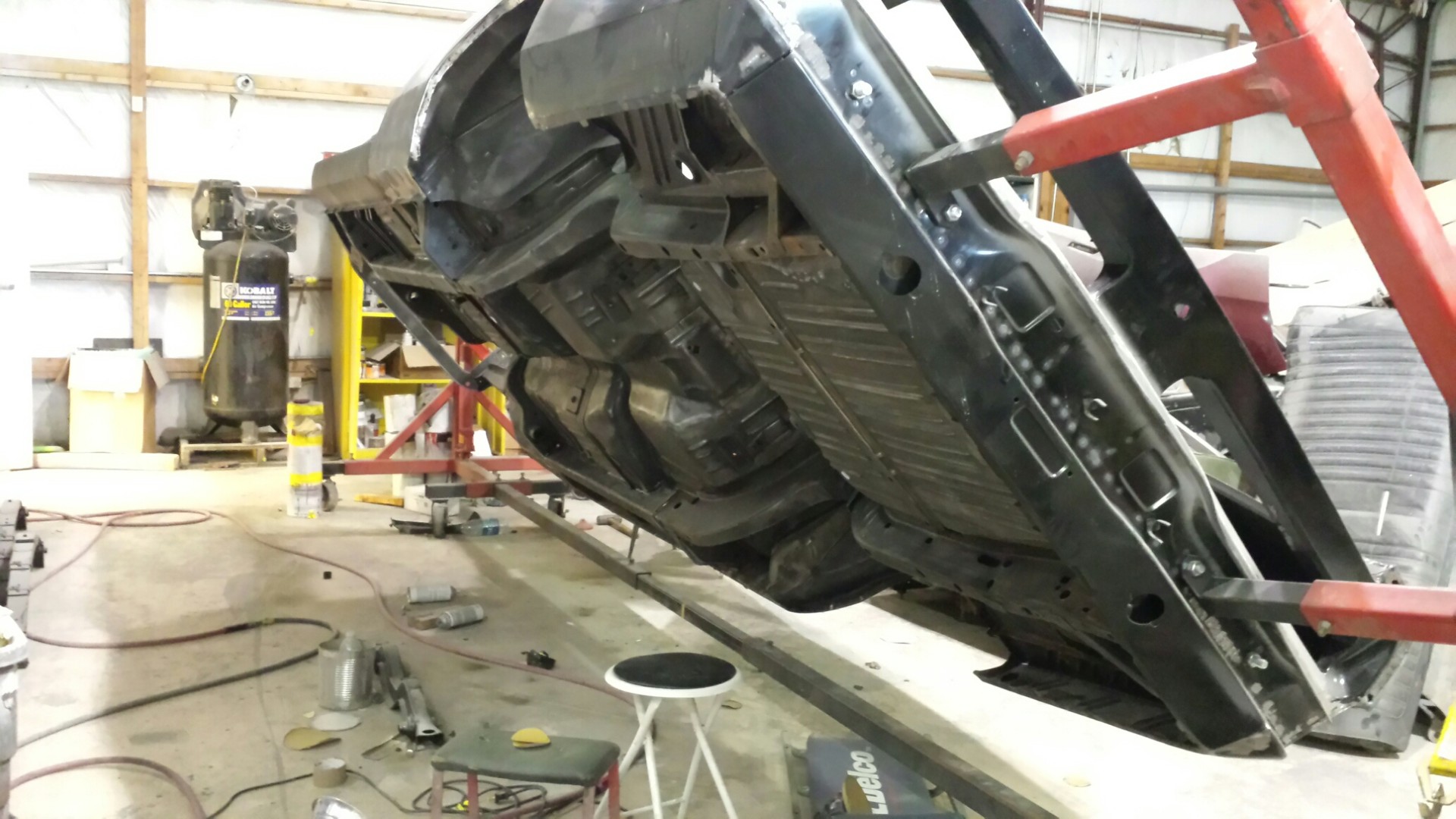
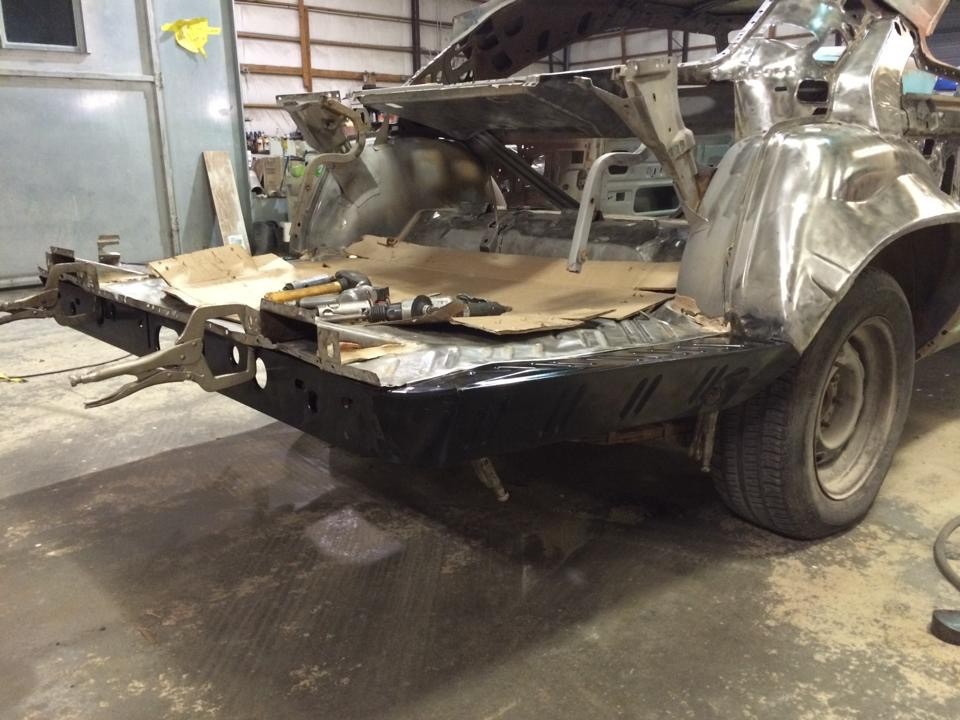
Bringing the 1970 Dodge Charger back to life begins with careful disassembly and surface preparation. Restorers clean, sandblast, and prime metal surfaces before applying textured paint. Because modern paints behave differently from vintage materials, achieving period-accurate results requires both science and artistry.
At Liles Performance & Auto Body, the process includes:
- Stripping all previous coatings to the bare metal frame.
- Using precision sanding for optimal adhesion.
- Applying period-correct primer to mirror 1970 factory conditions.
- Spraying Organisol paint using temperature-controlled booths.
- Finishing with protective layers that preserve the matte finish while preventing corrosion.
Each step ensures the Charger doesn't just look restored—it feels authentic.
Finishing Touches: Achieving the Perfect Matte Finish
Unlike high-gloss modern styles, the Charger's matte finish embodies restrained power. Perfecting it requires even spray distribution and precise curing times to maintain durability without shine. Studies of automotive coating systems show that a paint film’s surface microstructure strongly affects gloss and light reflection, and that optimized coatings are essential for long‑term durability—both critical when renewing vintage vehicles like the Dodge Charger.
Showroom Shine Without the Shine
Standing under the lights of a local car show, the completed Dodge Charger commands attention not with flash, but with subtle, period-correct texture. The textured paint catches light differently at every angle, giving the car a muscular stance that's impossible to mimic with glossy finishes. It’s a look that honors history while turning heads in the present.
Honoring Heritage Through Texture
Restoring a classic is about more than appearance—it’s about preservation. The tactile quality of organisol paint, its matte depth, and its authentic feel reconnect drivers to a bygone era of craftsmanship. At Liles Performance & Auto Body, we believe every Dodge Charger deserves that level of respect. Because in every grain of texture, there's a story worth keeping alive.