


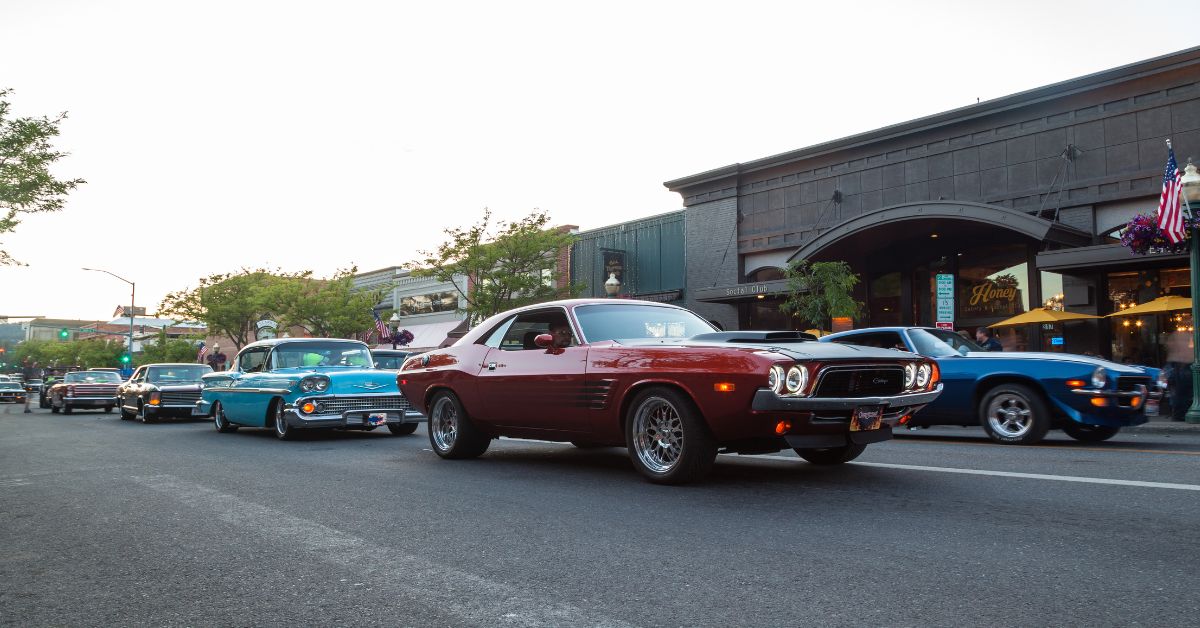
Walk into any classic car forum — or better yet, walk into a shop that's been doing this for decades — and you'll hear the same thing: the parts decisions you make early in a restoration will define everything that comes after. Get it right, and you're building a car that drives, looks, and feels exactly the way you envisioned. Get it wrong, and you're looking at costly do-overs, fitment headaches, and a build that never quite comes together.
Here's what every classic car owner needs to understand before they start ordering parts.
OEM, Aftermarket, or NOS — Know the Difference Before You Buy
When sourcing classic car restoration parts, you have three primary options:
- OEM (Original Equipment Manufacturer): Factory-spec parts, either pulled from donor cars or still in supply through the manufacturer. Best for concours-level authenticity, but increasingly difficult and expensive to find.
- NOS (New Old Stock): Original factory parts that were never used — often found in old dealership warehouses or estates. Highly desirable, but the age of rubber components, gaskets, and seals means they're not always reliable just because they're new.
- Aftermarket reproduction parts: Manufactured to replicate OEM specs. Quality varies enormously by brand and application. A well-made reproduction from a reputable supplier is often indistinguishable from original. However, a cheap one will cost you more in rework than it saved you at checkout.
The rule of thumb: buy quality parts once, or buy cheap parts twice.
The Restomod Question: Upgrading While Restoring
One of the biggest decisions in any classic car restoration project is how far you're willing to deviate from factory spec in the name of performance, safety, or drivability. A restomod build — keeping the classic look while installing modern mechanical components — is one of the fastest-growing approaches in the hobby, and for good reason.
Common upgrades that deliver real-world value:
- Fuel injection conversion: More reliable starts, better fuel economy, cleaner emissions — without losing the classic engine's character
- Upgraded disc brakes: Factory drum brakes on a 50-year-old car were marginal in 1972. On today's roads, they're dangerous. Four-wheel disc conversions are one of the smartest safety investments you can make.
- Modern suspension geometry: Coil-over kits designed for classic car handling upgrades dramatically improve ride quality and cornering without altering the car's appearance
- Updated electrical system: Wiring harness replacements and modern fuse block conversions prevent the fires and gremlins that plague vintage electrical systems
The key is intentionality. Every upgrade should serve a purpose — performance, safety, or long-term reliability — not just add cost.
Fitment Problems Are More Common Than You Think
Here's something parts catalogs won't tell you: "fits your year, make, and model" is often a starting point, not a guarantee. Manufacturing tolerances on vintage vehicles varied by production run, assembly plant, and even time of year. A part listed as compatible may require modification, shimming, or custom fabrication to seat properly.
This is where professional classic car restoration shops earn their value. An experienced technician has seen the fitment issues specific to your vehicle before and can identify a problem before it becomes a teardown. Trying to sort fitment issues on your own — especially on body panels, suspension components, and drivetrain mounts — is one of the most common reasons restoration projects stall in the garage for years.
Don't Let Parts Decisions Derail Your Build
The difference between a restoration that gets finished and one that doesn't is almost always planning. At Liles Performance & Auto Body, we help clients navigate classic car parts sourcing, evaluate upgrade options, and build a parts strategy that fits their budget and their vision. Whether you're chasing authenticity or building a restomod that turns heads at every light, we'll make sure the decisions you make early in the process are ones you won't regret later.
Contact Liles Performance & Auto Body today to talk through your build — before you order a single part.