


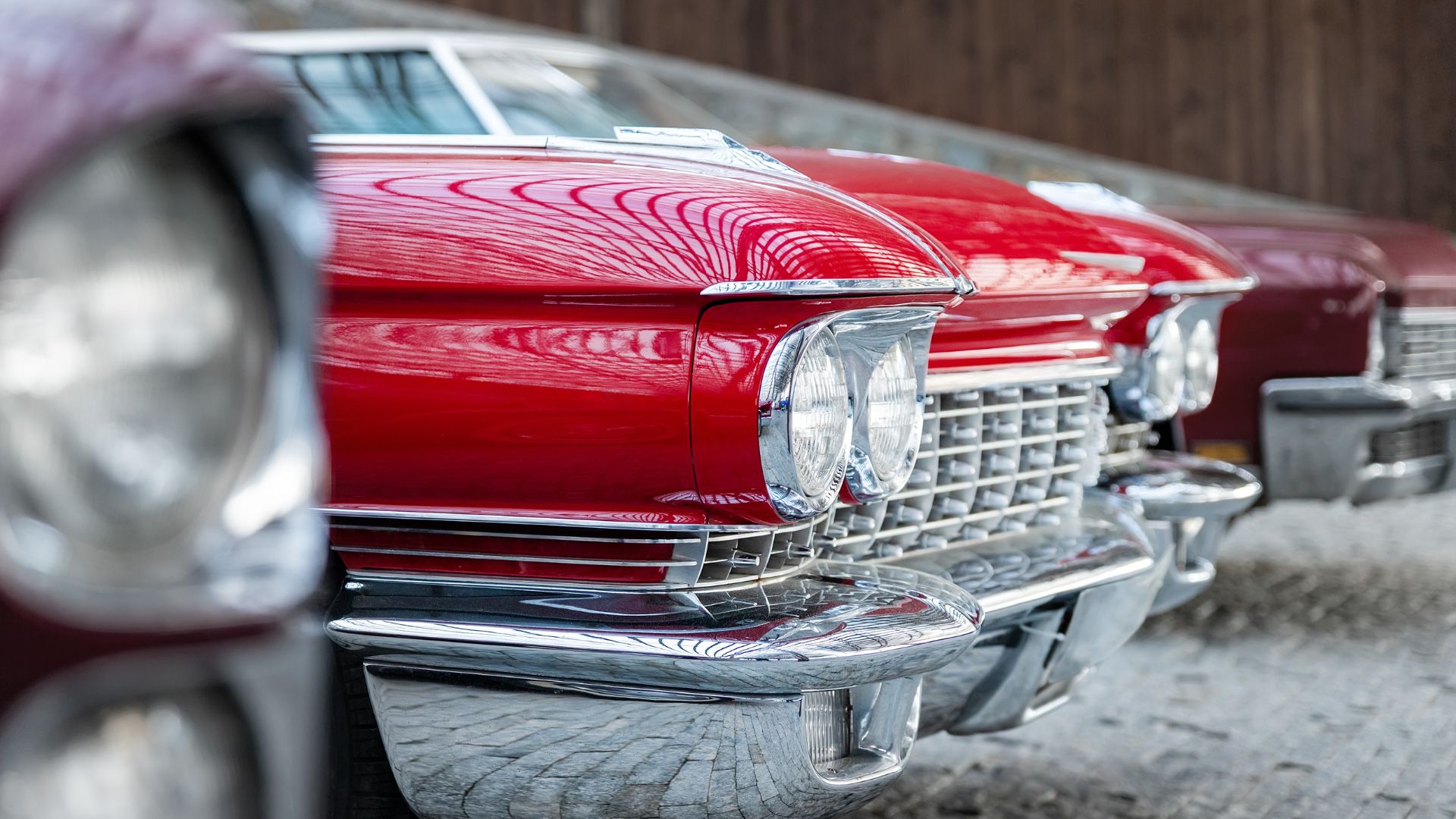
Keeping rust under control is one of the most important things you can do to protect the look, value, and safety of your classic car. Rust repair isn’t just about hiding ugly spots; it’s about deciding when a targeted patch will do the job and when the only smart move is installing fresh metal for the long term.
Below is a deeper look at how a professional shop like Liles Performance and Auto Body makes that call so you can make informed decisions about your classic car.
How Bad is the Rust, Really?
The first step is understanding what kind of rust you’re dealing with.
- Surface rust: Discoloration and light pitting that hasn’t eaten through the metal. This is often seen on stone chips, scratches, and early-stage corrosion on frames or suspension parts.
- Scale rust: Rust has started to flake and build up, and the metal is noticeably rougher and thinner.
- Perforation (rust-through): The rust has eaten completely through the panel, leaving holes, soft spots, or edges that crumble when probed.
Surface rust can often be cleaned, treated, and refinished without cutting metal, but once rust has scaled heavily or perforated the panel, you’re firmly in “patch vs. replace” territory.
When a Patch Panel is the Smart Choice
A welded patch panel is ideal when the damage is localized, and the surrounding metal is still strong.
You’re typically in patch-panel territory when:
- The rust is limited to a small area, such as a door corner, wheel arch lip, or a lower quarter panel section.
- The metal around the rust is still thick and passes a “poke test” with a pick or screwdriver—no crumbling or collapsing.
- The area is not a primary structural section, and repairing it won’t compromise crash protection or alignment.
In these cases, a technician can cut out the affected area, fabricate or use a pre-formed patch, weld it in, grind it smooth, seal the seams, and refinish it. Done correctly, a patch panel can be nearly invisible and last for many years, especially when followed by proper rustproofing and cavity wax inside the panel.
For many, this approach keeps costs reasonable while stopping rust from spreading. In addition, classic car rust repair works to preserve more of the original sheet metal, which helps protect both originality and value when the rest of the panel is still solid.
When Full Panel Replacement is the Better Investment
Keep in mind, there’s a point where patching becomes chasing your tail. Replacing the entire panel (or a full section like a floor pan or rocker) makes more sense when:
- Rust is spread across multiple areas on the same panel, or you’d need several patches to cover all the damage.
- The panel plays a structural role—rockers, frame rails, floor pans, and some inner fender sections—and corrosion has weakened its strength.
- Edges, seams, and spot-welded flanges are heavily corroded, making it hard to weld a patch to solid metal.
- Prior “repairs” used thick body filler to hide rust, leaving unknown damage underneath.
On a classic, full replacement can also deliver better panel fit, cleaner body lines, and longer-lasting results than patching a tired, thin original over and over. Furthermore, on a classic that sees daily use, replacing a severely rusted panel can significantly help restore the car’s structural integrity. It also allows for a more durable refinish, especially when modern corrosion protection products are applied behind the new metal.
Occasional vs. Daily Use: Different Goals, Same Logic
The decision process is similar for both vehicle types, but priorities shift:
- Used for Special Occasions: Originality, long-term value, and show-quality appearance matter. You may choose a larger patch or full panel replacement to eliminate every ripple and seam.
- Daily Use: Safety, longevity, and budget are often first priorities. Strategic patching on non-structural areas and replacement when safety is at stake is usually the sweet spot.
In both cases, the key is an honest inspection from a shop that’s willing to cut back to clean metal and show you what they find—not just skim over rust with filler.
Why You Should Call Liles Instead of Gambling on Quick Fixes
Rust repair is one area where guesswork and “cover-up” products will come back to haunt you. The only way to stop serious rust is to remove it, weld in sound metal, and seal it correctly from both sides.
Liles Performance and Auto Body can:
- Inspect your classic car and map out where patching is appropriate and where replacing metal is the safer, longer-lasting option.
- Use proper cutting, welding, and refinishing techniques so the repair blends in and resists future corrosion.
- Apply modern rust inhibitors, seam sealers, and undercoating to protect your investment after the metal work is done.
If you’re seeing bubbling paint, soft spots, or visible holes, don’t wait. Contact Liles Performance and Auto Body to schedule a rust evaluation and talk through a repair plan that fits your classic car, your goals, and your budget.