


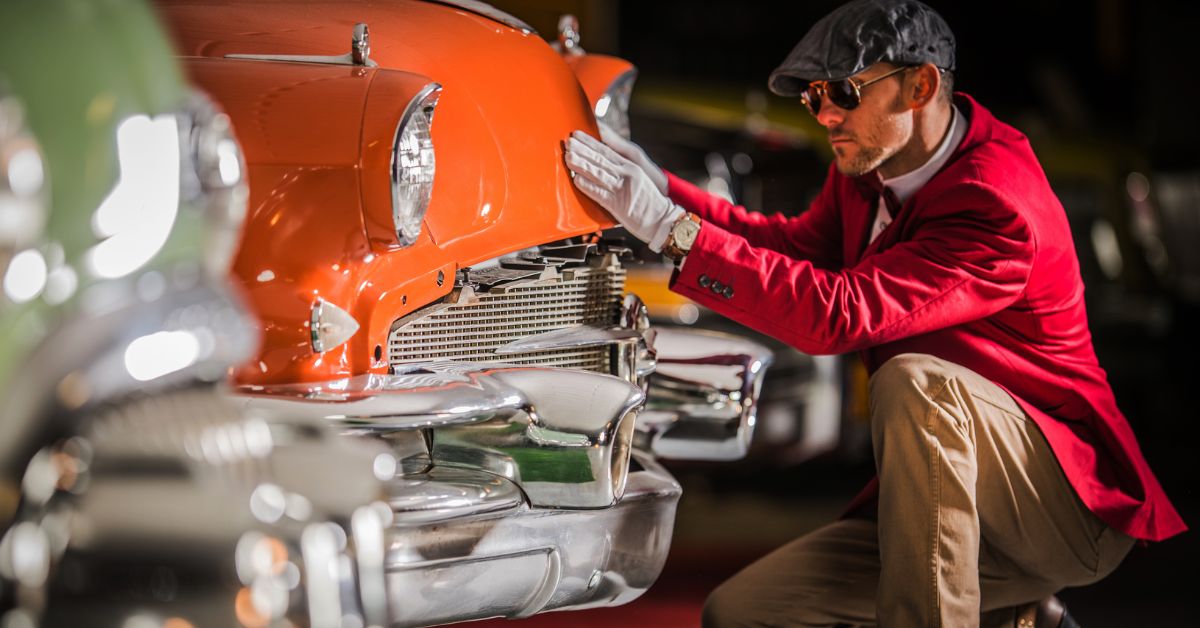
Your '70 Chevelle looks perfect sitting in the driveway. Getting it onto a highway in August — no A/C, drum brakes, a carburetor that floods at every stoplight — is a completely different experience. You love the car. You just don't always love driving it.
That tension is exactly what a restomod build is designed to solve.
What a Restomod Actually Is
A restomod — short for restoration modification — keeps the original body and visual identity of a vintage vehicle while replacing the mechanical foundation with modern components. From the outside, it looks like 1969. From the driver's seat, it drives like today.
It's not a compromise. Done right, it's the best version of the car the factory could never have built.
What Gets Modernized — and Why
The scope of a restomod varies by build, but the upgrades that deliver the most real-world improvement are consistent across most vehicles:
Engine and fuel system: LS swaps are among the most popular choices for American muscle — a Camaro, Mustang, or C10 with a modern fuel-injected V8 starts reliably in any weather, runs cleaner, and makes more power with less maintenance than the original carbureted setup. Other builds retain the original block but add modern fuel management and ignition systems for dramatically improved drivability without changing the engine's character.
Brakes: Factory drum brakes on a 50-year-old vehicle were marginal when the car was new. Four-wheel disc brake conversions are one of the most impactful safety upgrades available — the stopping difference in a real emergency situation is not subtle.
Suspension: Coilover kits, tubular control arms, and rack-and-pinion steering conversions address the vagueness, understeer, and body roll that defined most vintage American suspension setups. The car sits lower, corners flatter, and responds predictably in a way the original geometry never allowed.
Transmission: Replacing a 3-speed manual or aging automatic with a modern overdrive unit reduces highway RPM significantly, makes long-distance driving far more comfortable, and extends the life of the drivetrain.
Climate control and interior: Modern A/C systems, updated sound, and power convenience features can be integrated without altering the factory appearance of the cabin. The goal is always a finished interior that looks period-correct but functions like a modern vehicle.
Restomod vs. Full Restoration: How to Choose
A full frame-off restoration prioritizes authenticity. If you're preserving a numbers-matching vehicle, building for concours judging, or protecting investment value in a historically significant car, originality is the priority.
A restomod prioritizes the driving experience. If you want to use the car regularly — not just trailer it to shows — and you're building something for enjoyment over long-term collectible value, modernizing the mechanicals almost always makes more sense.
The honest reality: most drivers who experience a well-built restomod don't go back. The gap between what modern suspension, brakes, and fuel management can do versus factory specs from five decades ago is enormous — and none of it shows on the outside.
A Poorly Built Restomod Is Obvious
Mismatched components, wiring that was never properly integrated, suspension geometry that wasn't dialed in — these issues show up immediately on the road and under scrutiny at a show. A restomod requires someone who understands both the original vehicle and the modern components being installed, and how they work together as a finished system.
At Liles Performance & Auto Body, we approach every restomod with a clear plan before anything comes apart. Contact us to talk through your build concept and find out what it actually takes to do it right.