


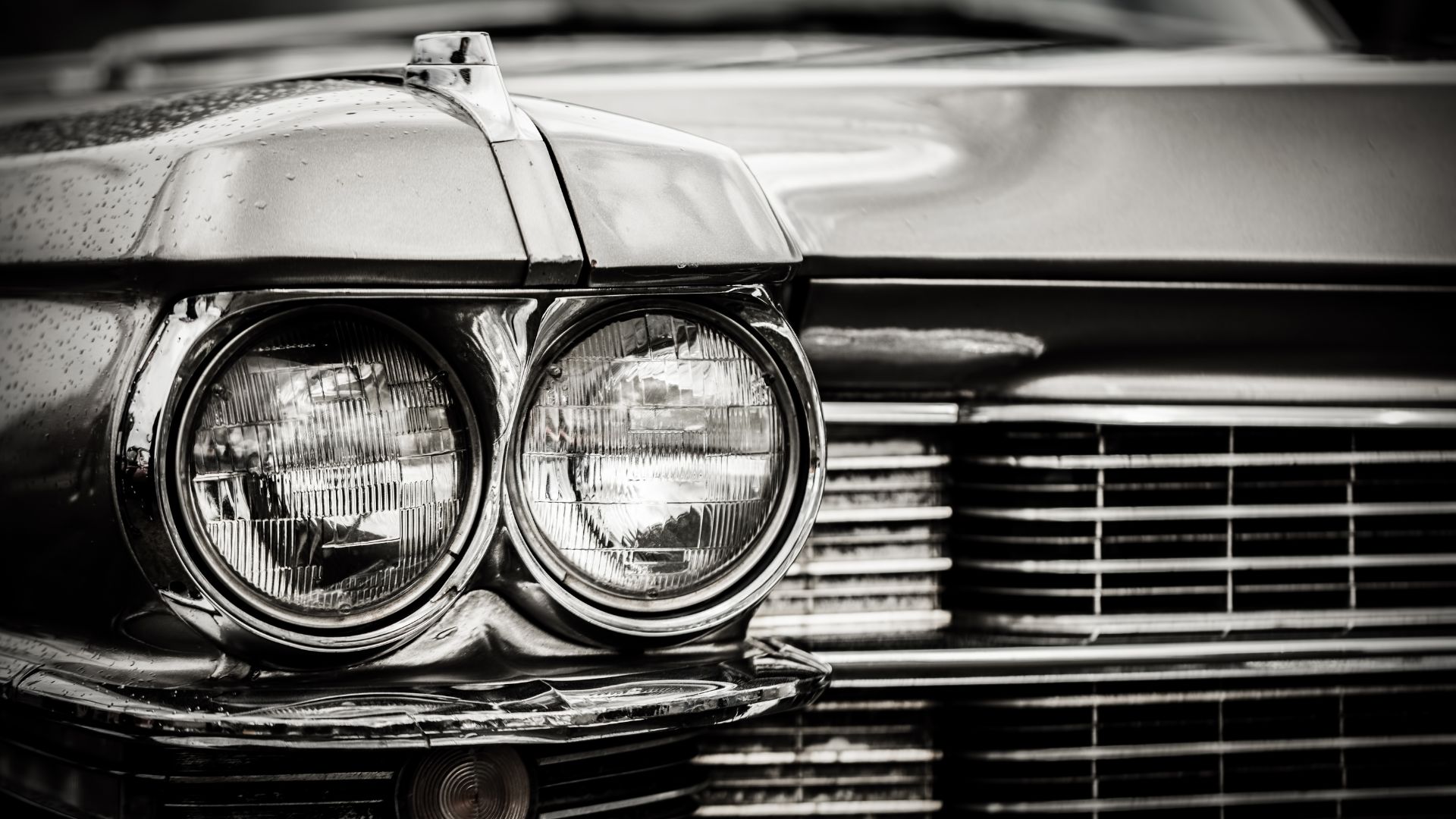
There's nothing quite like the idea of bringing a piece of automotive history back to life. Whether you're restoring a '69 Camaro, a '57 Chevy, or a '72 Ford Bronco, the process is equal parts passion project and serious investment. Before you pull that car out of the garage, you need a realistic picture of what *restoring a vintage car* actually costs — and where to put your money first.
What to Fix First: The Right Order of Operations
One of the most common (and costly) mistakes in restoring a car is doing things out of order. Here's the sequence that saves you money and rework:
- Start with structure: Rust, frame damage, and floor pan rot must be addressed before anything else. Cosmetic work done over a compromised structure is money wasted.
- Mechanicals next: Engine, transmission, suspension, and brakes — get the car running and safe before you make it pretty.
- Body and paint: Once the car runs and the structure is solid, bodywork and paint can be done right the first time without being disturbed again.
- Interior last: Classic car interior restoration — seats, headliner, dash, carpet — is the finishing touch. Installing a new interior in a car that still needs mechanical or body work almost guarantees you'll damage it.
How Much Does It Cost to Restore a Classic Car in 2026?
This is the question every owner asks, and the honest answer is: it depends on the condition, the make, and how far you want to take it. That said, here's a real-world cost breakdown by category to help you plan:
Engine & Drivetrain
Crate packages start at 15,000 and go up from there, depending on what you want.
Brakes
Brakes that fit OEM wheels can be as cheap as $1,500 per pair. Bigger disk brakes for larger wheels can be as much as $2-5k per pair. Depends on project requirementsSuspension
Stock rebuild suspension is very labor-intensive and can cost more than late-model aftermarket suspension components. Unless the job needs factory-style parts, you are better off upgrading to aftermarket suspension components.
Electrical System
For electrical work, it is shop rate + material. It is very case-dependent, and often, it's better off with new replacements.
Body Work & Paint
A simple respray starts around $15k. A strip-to-steel professional body restoration project starts around $60k, most running over $100k. It breaks down $20k-40k in metal work. Can spend another $20k in gap work, cleaning up all the factory lines at openings. Another $40k-70k in body work and paint. You have to ask yourself if factory gaps and body lines are good enough, or if you want it more refined.
Classic Car Interior Restoration
A simple bench seat starts around $1,200. A complete stock interior kit starts around $10k-15k. Depending on design and materials, a full custom job can double that.
Chrome & Trim
Chrome is expensive to restore original OEM parts vs new aftermarket. A brand-new AMD bumper is around $400 (plus tax and shipping). An original bumper rechrome procedure starts around $1,500. Nothing fits like the original parts. It’s completely up to the customer on what is best for their project and budget. However, some bumpers are not being made by the aftermarket, and rechroming is the only choice.
As for other trim, we do a lot of in-house stainless and aluminum polishing. We can send it off for anodizing afterward if the project requires it.
Glass
Simple glass kits can be around 1,500. Yet again the labor to install properly with new corresponding rubber and window seals can easily move the final price over 5,000
For a full, show-quality classic automobile restoration, total costs can start at $250k or more. A driver-quality build — clean, reliable, and road-ready — typically starts around $125k. It’s pretty much taking all the old mechanics out of it and replacing them with rebuilt or new components. So all fresh drivetrain, steering, brakes, and air conditioning. Not focusing so much on body paint or interior.
Classic Car Restoration Tips That Actually Save You Money
- Get a pre-restoration inspection: A professional evaluation before you buy prevents budget surprises mid-project.
- Don't start by taking it apart: Think it through. It's more than just budgeting your money; it's budgeting your time too. So many projects die when they are started because parts go missing. Instead, get it running, get it driving, and keep it that way. Understand it won’t be a simple weekend project; it’s a multi-year project. So make sure the boss is ok with you spending your time on it.
- Source parts before committing to a timeline: Availability of OEM or reproduction parts can add months to your build if not researched upfront.
- Prioritize safety systems over cosmetic choices: Brakes, steering, and tires aren't optional — they protect your investment and the people around you.
- Don't cut corners on paint: The paintwork on a classic car is what most people see first. Searching for a trusted classic-car paint shop near me isn't just about aesthetics — proper prep and application protect the metalwork for decades.
Ready to Start? Liles Performance & Auto Body Can Help.
Restoring a classic car is one of the most rewarding things a car enthusiast can do — but it takes expertise to do it right. At Liles Performance & Auto Body, we handle every phase of classic car restoration: from structural repair and engine work to paint, bodywork, and interior finishing. We'll help you build a realistic budget, set an honest timeline, and prioritize the work that makes the biggest difference. Contact us today to schedule your free consultation and take the first step toward the build you've been dreaming about!