


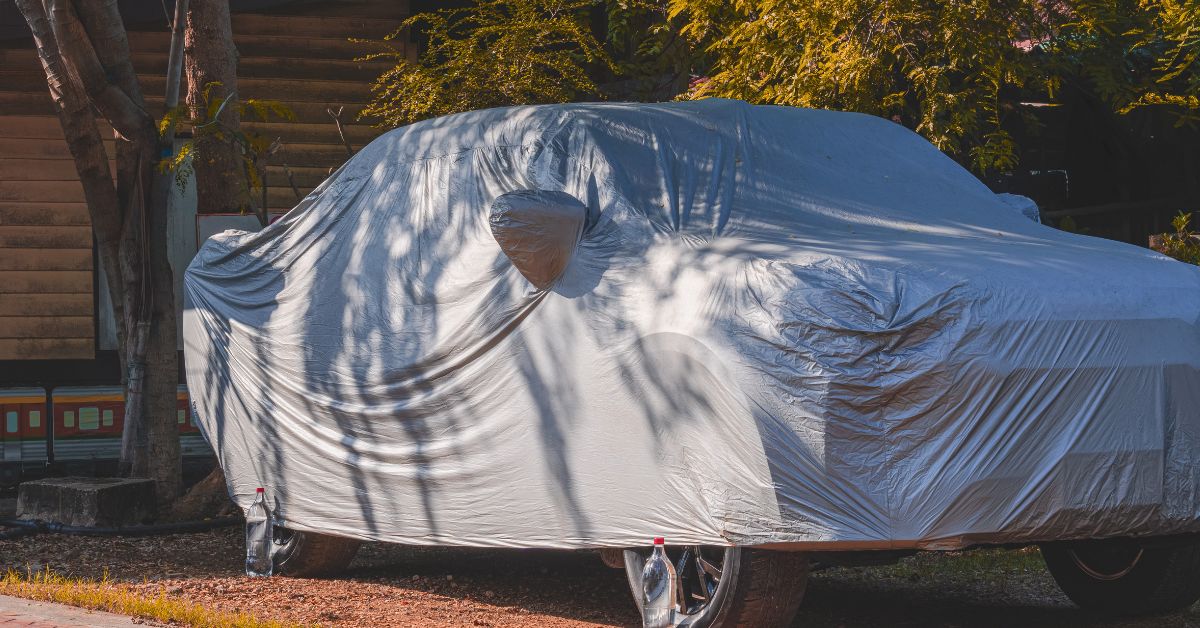
The driving season is ending. For most classic car owners in Joplin and across Southwest Missouri, that means finding a corner of the garage and hoping for the best.
Storage does not pause problems. It accelerates them. That is why how you prepare a classic car for winter storage determines what you come back to in the spring. What goes in with minor issues comes out with bigger ones. What goes in correctly comes out ready to drive.
Why Winterizing a Classic Car Is About More Than Parking It
Properly winterizing a classic car for storage means addressing the systems that deteriorate when a vehicle sits through cold, damp months. Existing rust does not pause over winter. Battery charge does not hold indefinitely. Fuel left untreated degrades and varnishes. Brake components left in contact with rotors and drums can bond.
None of these outcomes are unpredictable. They are all preventable when the car is prepared correctly before it goes away for the season.
Should You Change the Oil Before Storing a Classic Car?
Yes, and the timing matters more than most owners realize. Used engine oil contains combustion byproducts and acids that continue acting on internal engine components during storage. A car that goes into winter storage with accumulated acids sitting against its bearings comes back with more wear than it should have. Changing the oil before storage, not after, provides the protective film the engine needs throughout the season.
What the Fuel System Needs Before Winter Storage
Fuel left untreated over a winter storage period breaks down and leaves varnish deposits in the carburetor, fuel lines, and tank. A fuel stabilizer circulated through the system before the car goes away prevents that breakdown. A full tank also reduces the surface area available for moisture to condense inside the fuel system.
What Missouri Winters Do to a Stored Vehicle
Freeze-thaw cycles across Southwest Missouri create repeated moisture events that work into every gap, seal, and surface on a stored vehicle. From Webb City to Carthage, this plays out every winter. Chrome, bare metal, and areas with existing paint damage are all at risk. Moisture that gets under a car cover and cannot escape accelerates the exact rust formation most owners think the cover is preventing.
How Often Should You Start a Car in Winter Storage?
Less often than most owners think, and only when done correctly. Starting a stored vehicle briefly without bringing it to full operating temperature introduces moisture into the exhaust system and does not fully circulate oil. A quality battery maintainer keeping the battery properly charged throughout the season is more effective than periodic short starts. If a stored battery fails completely, the electrical symptoms it creates when the car comes out of storage are rarely obvious.
What a Pre-Storage Inspection Actually Catches
A professional pre-storage inspection identifies issues that will worsen over winter rather than wait quietly. Brake components that should not remain in contact with rotors for five months. Fluid conditions that need addressing before the car sits. Active rust that will be significantly worse in March. If the inspection surfaces rust or structural issues, knowing how to prioritize what gets addressed first saves time and money.
Finding these things in October means addressing them on your timeline. Finding them in March means addressing them before the car can move. At Liles Performance & Auto Body in Webb City, we work with classic car owners across the region to make sure their vehicle is ready before it goes away for the season. Contact us today to talk through what your car needs.